
Table Of Contents
- An Introduction to Paraformaldehyde: The Solid Solution
- Powering Eco-Friendly Resins: Key Applications
- A Clear Advantage Over Traditional Formaldehyde
- Quzhou Kino International: Your Partner in Sustainable Supply
- Case Study: Achieving Sustainability and Cost-Savings
- The Future is Green: Trends in Resin Production
- Conclusion: Make the Sustainable Switch Today
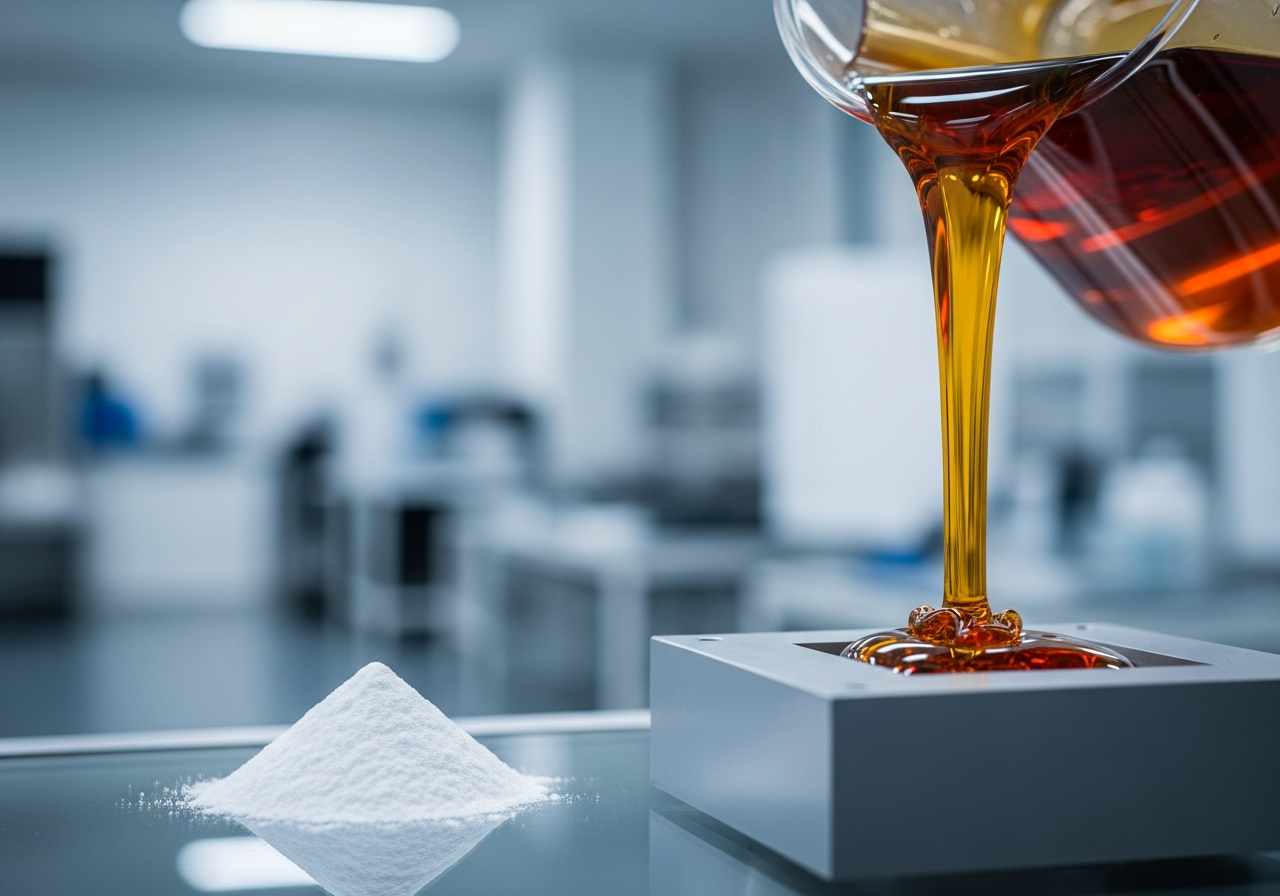
The global push for sustainability is reshaping industries, and the chemical sector is at the forefront of this transformation. For manufacturers of amino resins—the backbone of countless products from laminates to adhesives—the choice of raw materials has never been more critical. While formaldehyde has been a traditional workhorse, its volatile and hazardous nature poses significant challenges. Enter paraformaldehyde, a superior, solid-form alternative that is rapidly becoming the cornerstone of sustainable resin manufacturing.
In this article, we will explore the unique properties of paraformaldehyde, its pivotal role in creating high-performance, eco-friendlier resins, and why a reliable supply from a trusted partner like Quzhou Kino International is key to unlocking these advantages.
An Introduction to Paraformaldehyde: The Solid Solution
Paraformaldehyde is the solid, polymeric form of formaldehyde. It typically appears as a white, fine powder or flakes with a characteristic pungent odor. Chemically, it is a chain of formaldehyde units, which break down to release formaldehyde gas upon heating.
While this might sound similar to its liquid counterpart, the physical form of paraformaldehyde is what grants it its significant advantages. It is essentially a concentrated, stable, and safe-to-handle source of formaldehyde, eliminating many of the logistical and operational headaches associated with formalin (the aqueous solution of formaldehyde).
Key Properties:
-
High Purity: Contains up to 91-95% formaldehyde, with minimal water content.
-
Stability: Solid form allows for longer storage without degradation or polymerization.
-
Safety: Drastically reduced emissions of volatile formaldehyde during handling and storage compared to formalin.
Powering Eco-Friendly Resins: Key Applications
Paraformaldehyde is a fundamental building block in the synthesis of two of the most important amino resins: melamine-formaldehyde (MF) and urea-formaldehyde (UF). These resins are prized for their hardness, heat resistance, and excellent adhesive properties.
Here’s how paraformaldehyde enhances their production from a sustainability perspective:
-
In Melamine-Formaldehyde Resins: MF resins are known for their superior durability and are used in high-pressure laminates (e.g., countertops), automotive coatings, and durable dinnerware. The use of high-purity paraformaldehyde leads to more consistent polymerization, resulting in resins with:
-
Lower Free Formaldehyde Content: The final product emits less formaldehyde over its lifetime, a crucial factor for indoor air quality and meeting stringent regulations like CARB ATCM in the U.S. and E1/E0 standards in Europe.
-
Enhanced Performance: Allows for the creation of resins with better scratch and chemical resistance, extending the life of the end products and reducing waste.
-
-
In Urea-Formaldehyde Resins: As the most common wood adhesive globally, UF resin is essential for particleboard, MDF, and plywood. The industry is under immense pressure to reduce formaldehyde emissions from these wood products. Paraformaldehyde enables:
-
Precise Stoichiometry: Its solid form allows for more accurate weighing and mixing, leading to a more complete reaction. This minimizes the amount of unreacted formaldehyde left in the final resin.
-
Advanced Resin Formulations: Manufacturers can develop novel UF resins with advanced scavengers more effectively, creating “low-emission” or “no-added-formaldehyde” labels that are increasingly demanded by consumers and regulators.
-
A Clear Advantage Over Traditional Formaldehyde
The shift from formalin to paraformaldehyde is not just a minor upgrade; it’s a strategic move towards operational excellence and environmental responsibility. Let’s break down the key benefits:
-
Enhanced Safety Profile: Formalin is a volatile, toxic liquid that requires stringent safety measures for storage, handling, and transportation. Its fumes are a significant occupational hazard. Paraformaldehyde, as a solid, dramatically reduces airborne exposure risks, creating a safer working environment.
-
Superior Stability and Shelf Life: Formalin can form precipitates and degrade over time, especially in varying temperatures. Paraformaldehyde is highly stable, ensuring consistent quality and reactivity over extended periods, which reduces material waste and ensures production consistency.
-
Environmental Benefits:
-
Reduced Transportation Footprint: Shipping a concentrated solid is far more efficient than shipping water. This reduces the carbon footprint associated with logistics.
-
Minimized Wastewater Contamination: The production process using paraformaldehyde generates significantly less contaminated wastewater compared to formalin-based processes, which often require complex water treatment.
-
-
Process Efficiency: The low water content in paraformaldehyde leads to faster reaction times and lower energy consumption during the resin cooking process, as there is less water to evaporate. This translates to higher throughput and reduced energy costs.
Quzhou Kino International: Your Partner in Sustainable Supply
Leveraging the full benefits of paraformaldehyde hinges on one critical factor: a reliable, high-quality supply. This is where Quzhou Kino International establishes itself as a strategic partner for forward-thinking manufacturers.
We are not just a trader; we are integrated into the production process. Our joint factory operations for paraformaldehyde and the closely related Hexamine give us unparalleled control over quality and supply.
-
Massive Scale, Unmatched Reliability: With an annual supply capacity of approximately 120,000 metric tons of paraformaldehyde, we can meet the demands of the largest global resin producers. Our clients never have to worry about production stoppages due to material shortages.
-
Quality You Can Trust: Our integrated manufacturing process ensures a consistent, high-purity product batch after batch. This consistency is non-negotiable for producing superior, stable amino resins that meet international standards.
-
The Hexamine Synergy: Our parallel production of Hexamine (which uses formaldehyde and ammonia) creates a synergistic loop within our operations, optimizing efficiency and cost. This integrated approach allows us to offer competitive prices without compromising on quality, making sustainable resin manufacturing an economically viable choice.
Case Study: Achieving Sustainability and Cost-Savings
Consider the experience of a leading European manufacturer of Medium-Density Fiberboard (MDF). Facing tightening regulations on formaldehyde emissions and rising energy costs, they sought a new approach.
The Challenge: Reduce formaldehyde emissions from their UF resin-based boards by 15% while lowering the energy consumption of their resin production line.
The Solution: In collaboration with our technical team, they transitioned from formalin to Quzhou Kino’s paraformaldehyde.
The Result:
-
Emission Reduction: The precise reactivity of paraformaldehyde allowed for a more complete polymerization, reducing free formaldehyde in their boards by over 20%, exceeding their target.
-
Energy Savings: The low-water-content process cut their resin cooking cycle time and reduced energy consumption by approximately 8%.
-
Operational Improvement: They reported a safer working environment with the elimination of formalin fuming and simplified storage logistics.
This case demonstrates that the choice of paraformaldehyde is not just an environmental decision, but a smart business one that drives efficiency and market compliance.
The Future is Green: Trends in Resin Production
The trajectory of the resin industry is clear: the future is green. Consumer awareness, regulatory pressures, and corporate sustainability goals are converging to create a massive demand for bio-based, low-emission, and high-performance materials.
Paraformaldehyde is perfectly positioned to enable this future. It is the key ingredient that allows chemists to design the next generation of resins:
-
Bio-Hybrid Resins: Research is intensifying into combining traditional amino resins with bio-based components. The precision and purity of paraformaldehyde are essential for these complex reactions to succeed.
-
Circular Economy: As recycling of wood composites becomes more prevalent, the ability to break down and re-engineer resins will be crucial. The consistent quality of paraformaldehyde-derived resins provides a stable baseline for these advanced recycling technologies.
-
Enhanced Performance with Lower Impact: The ultimate goal is to make resins that are longer-lasting, more durable, and yet have a lower environmental footprint from production to disposal. Paraformaldehyde is the enabling technology that makes this paradox possible.
Conclusion: Make the Sustainable Switch Today
The evidence is compelling. Paraformaldehyde is no longer just an alternative; it is the superior choice for modern, responsible, and efficient resin manufacturing. It offers a clear path to safer operations, regulatory compliance, reduced environmental impact, and improved bottom-line performance.
Partnering with a supplier that has the scale, expertise, and quality commitment to support your transition is essential. At Quzhou Kino International, we provide more than just a chemical; we provide a partnership for a sustainable future.
Ready to revolutionize your resin production? Contact Quzhou Kino International today to discuss your paraformaldehyde needs and discover how our reliable supply and technical expertise can help you achieve your sustainability and performance goals.