
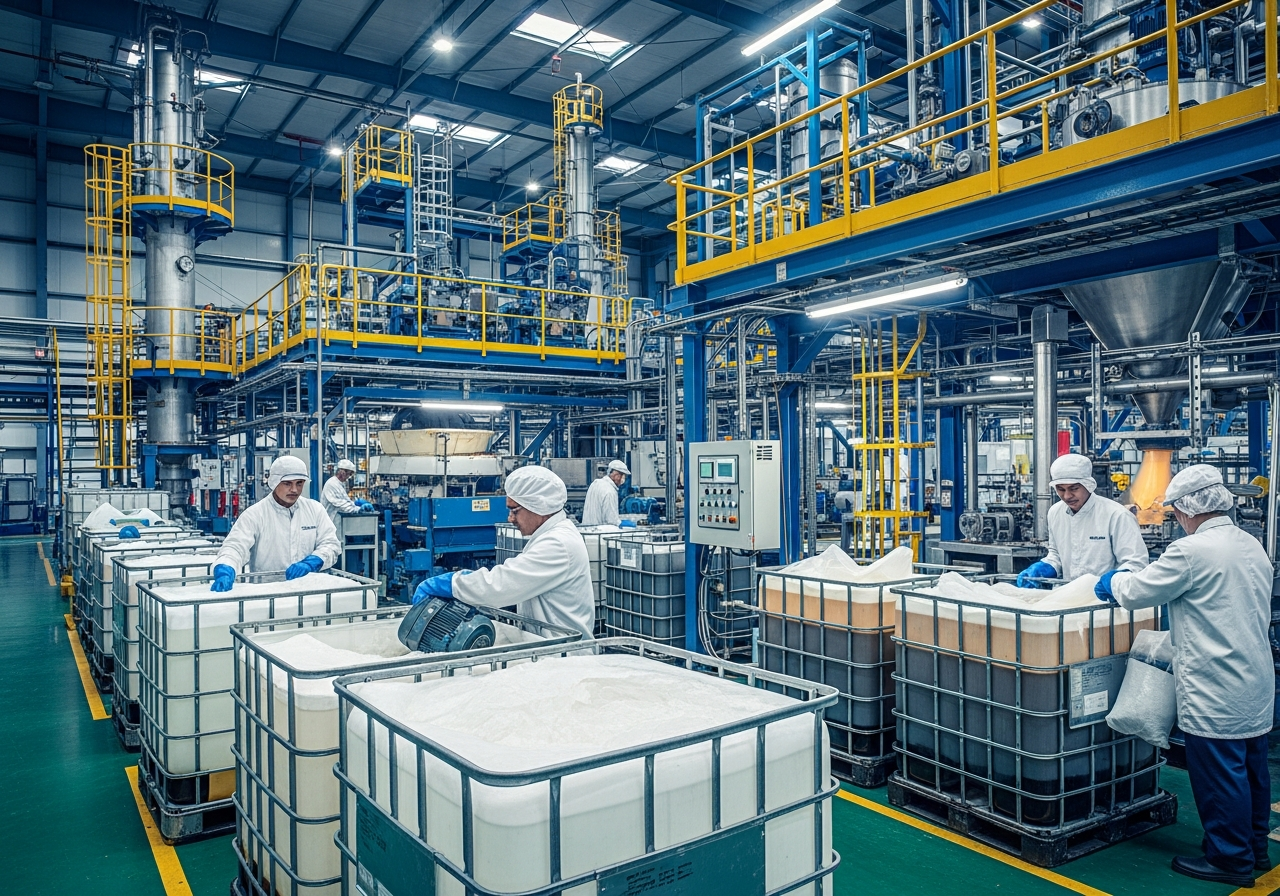
Melamine and urea-formaldehyde resins are critical components in modern industrial manufacturing. Known for their durability, water resistance, and adhesive strength, these resins are widely used in laminates, coatings, adhesives, and molded products. Understanding their properties, applications, and sourcing considerations is essential for manufacturers and industrial professionals.
Understanding Melamine and Urea-Formaldehyde Resins
Melamine resin is a thermosetting polymer formed by the reaction of melamine with formaldehyde. It is highly valued for its hardness, heat resistance, and chemical durability. Urea-formaldehyde resin, on the other hand, is created by the reaction of urea and formaldehyde and is commonly used in adhesives, particleboards, and plywood.
Key Characteristics:
-
High hardness and structural integrity
-
Excellent water and chemical resistance (melamine resin)
-
Cost-effective and versatile (urea-formaldehyde resin)
-
Fast curing and strong adhesive properties
These properties make both resins indispensable in construction, furniture, automotive, and decorative laminate industries.
Applications in Industrial Manufacturing
Resin Laminates and Decorative Surfaces
Melamine resins are widely used in high-pressure laminates (HPL) and decorative surfaces. Their hardness, scratch resistance, and vibrant finish make them ideal for countertops, furniture panels, and flooring. Urea-formaldehyde resins are often used in medium-density fiberboards (MDF) and particleboards for cost-effective interior applications.
Adhesives for Wood Products
Urea-formaldehyde resin is a leading adhesive for plywood, blockboards, and laminated veneer lumber (LVL). It provides excellent bonding strength, ease of application, and rapid curing times, making it suitable for both industrial-scale and small-scale production.
Coatings and Protective Layers
Melamine resins are widely used in coating applications due to their resistance to heat, chemicals, and UV exposure. They enhance surface durability for appliances, furniture, and decorative items. Combined with other polymers, melamine coatings provide a glossy, durable finish that extends product lifespan.
Benefits of Using High-Quality Resins
-
Enhanced Product Performance: Properly formulated resins ensure structural integrity, water resistance, and long-lasting adhesive strength.
-
Process Efficiency: Fast curing and consistent quality reduce manufacturing downtime and waste.
-
Cost-Effectiveness: Optimized resin selection balances performance and material cost, particularly for large-scale production.
-
Environmental Compliance: Modern resins comply with low-formaldehyde emission standards and environmental regulations, reducing workplace hazards and ecological impact.
Selecting the Right Resin for Your Application
When choosing between melamine and urea-formaldehyde resins, consider:
-
End-use requirements: High-pressure laminates vs. interior plywood
-
Curing conditions: Temperature and moisture tolerance
-
Durability expectations: Scratch, heat, and chemical resistance
-
Regulatory compliance: Formaldehyde emission standards and workplace safety
Matching the resin type to the specific industrial application ensures optimized performance and efficiency.
Sourcing and Quality Considerations
Reliable sourcing of resins is crucial for maintaining product quality and consistency. Key factors to consider:
-
Purity and chemical stability of resin batches
-
Consistent supply and production capacity
-
Technical support and documentation, including MSDS and COA
-
Supplier compliance with industry safety and environmental standards
High-quality resins reduce production issues, improve product performance, and enhance customer satisfaction.
Trends and Innovations in Resin Usage
Eco-Friendly and Low-Emission Resins
The market is increasingly adopting resins with reduced formaldehyde emissions to meet environmental and safety standards. These innovations minimize indoor air pollution and comply with international regulations such as E1 and CARB standards.
Enhanced Performance Resins
Advancements in resin chemistry allow improved water resistance, heat stability, and UV durability, expanding applications in outdoor furniture, flooring, and automotive coatings.
Hybrid Resin Systems
Combining melamine or urea-formaldehyde with other polymers can enhance mechanical properties, adhesion, and finish quality. Hybrid systems are particularly useful in specialized laminates and coatings.
Conclusion
Melamine and urea-formaldehyde resins remain fundamental to industrial applications, from laminates and adhesives to coatings and decorative surfaces. Understanding their properties, selecting the right resin type, and ensuring high-quality sourcing are key to achieving optimal performance, cost-effectiveness, and regulatory compliance. These resins continue to evolve with market demands, offering manufacturers innovative solutions for durable, high-performance products.