
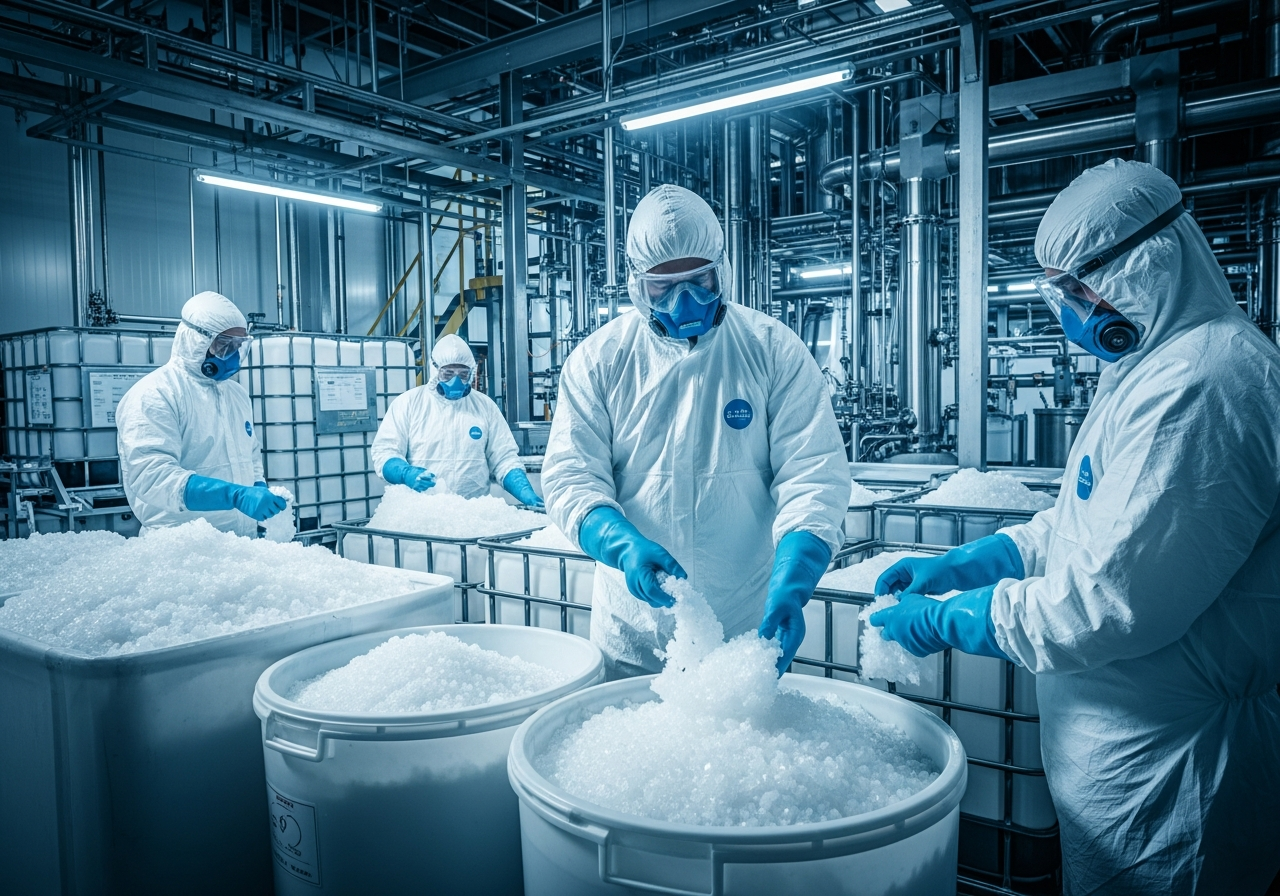
Hexamine, also known as hexamethylenetetramine, is a versatile chemical widely used in the chemical, pharmaceutical, and resin industries. Its unique molecular structure makes it an essential raw material for the production of resins, explosives, and other industrial chemicals.
Understanding Hexamine
Hexamine is a white crystalline powder with a slightly ammonia-like odor. It is highly soluble in water and alcohol and exhibits excellent thermal stability. Its versatility stems from its ability to react with formaldehyde and other chemicals to form strong, durable compounds.
Key chemical properties:
-
Molecular formula: C₆H₁₂N₄
-
High purity and stability
-
Non-hygroscopic and easy to store
These properties make hexamine indispensable in both industrial and laboratory applications.
Applications of Hexamine in Industry
Resin Production
Hexamine is a critical component in the production of:
-
Phenol-formaldehyde resins – Used in plywood, laminates, and molded products.
-
Melamine resins – Applied in coatings, adhesives, and decorative laminates.
-
Amino resins – Essential for water-resistant adhesives and durable coatings.
Its use ensures strong cross-linking in resin matrices, enhancing hardness, water resistance, and thermal stability.
Pharmaceutical Industry
Hexamine serves as a precursor in certain pharmaceutical formulations, including urinary antiseptics and other specialty chemicals. High-quality hexamine ensures safe and effective production of these compounds.
Explosives and Chemical Intermediates
Hexamine is also used in the manufacture of solid fuel tablets, smokeless powders, and other chemical intermediates. Its high purity is critical for safety and performance in these applications.
Production and Supply Advantages
Integrated production of hexamine with related chemicals, such as paraformaldehyde, provides strong advantages in quality control and supply stability. Key benefits include:
-
Reduced supply chain delays
-
Large-scale production capacity
-
Competitive rates for bulk industrial orders
This approach allows consistent fulfillment of global demand without compromising quality or delivery timelines.
Quality Control and Distribution
Quality is essential for industrial hexamine. Each batch undergoes rigorous testing to meet international chemical standards. Safety documentation, such as material safety data sheets (MSDS) and certificates of analysis (COA), ensure transparency and compliance.
A reliable logistics network ensures timely delivery to clients worldwide, supporting industrial continuity and supply chain reliability.
Sustainability and Safety Practices
Hexamine production and handling require strict adherence to safety standards, including:
-
Worker protection and personal protective equipment (PPE)
-
Environmental protection and chemical waste management
-
Compliance with local and international chemical regulations
Sustainable practices in chemical manufacturing protect both workers and the environment.
Future Trends in Hexamine Usage
The demand for hexamine is expected to grow due to:
-
Expanding resin and adhesive markets in construction and furniture industries
-
Increasing demand for high-performance chemical intermediates in pharmaceuticals
-
Innovation in eco-friendly and high-efficiency resin formulations
Advances in production technology and research into alternative chemical applications continue to support market growth.
H2: Conclusion
Hexamine is a vital chemical in multiple industrial applications, from resins and adhesives to pharmaceuticals and solid fuels. Reliable supply, consistent quality, and proper handling practices are essential for achieving optimal performance in industrial processes. Its versatility and stability make hexamine a cornerstone raw material in modern chemical manufacturing.